Journey into the Past
Step beneath the earth's surface and discover the incredible world of the Chagga underground homes, where ancient wisdom meets architectural brilliance.
Historic Significance
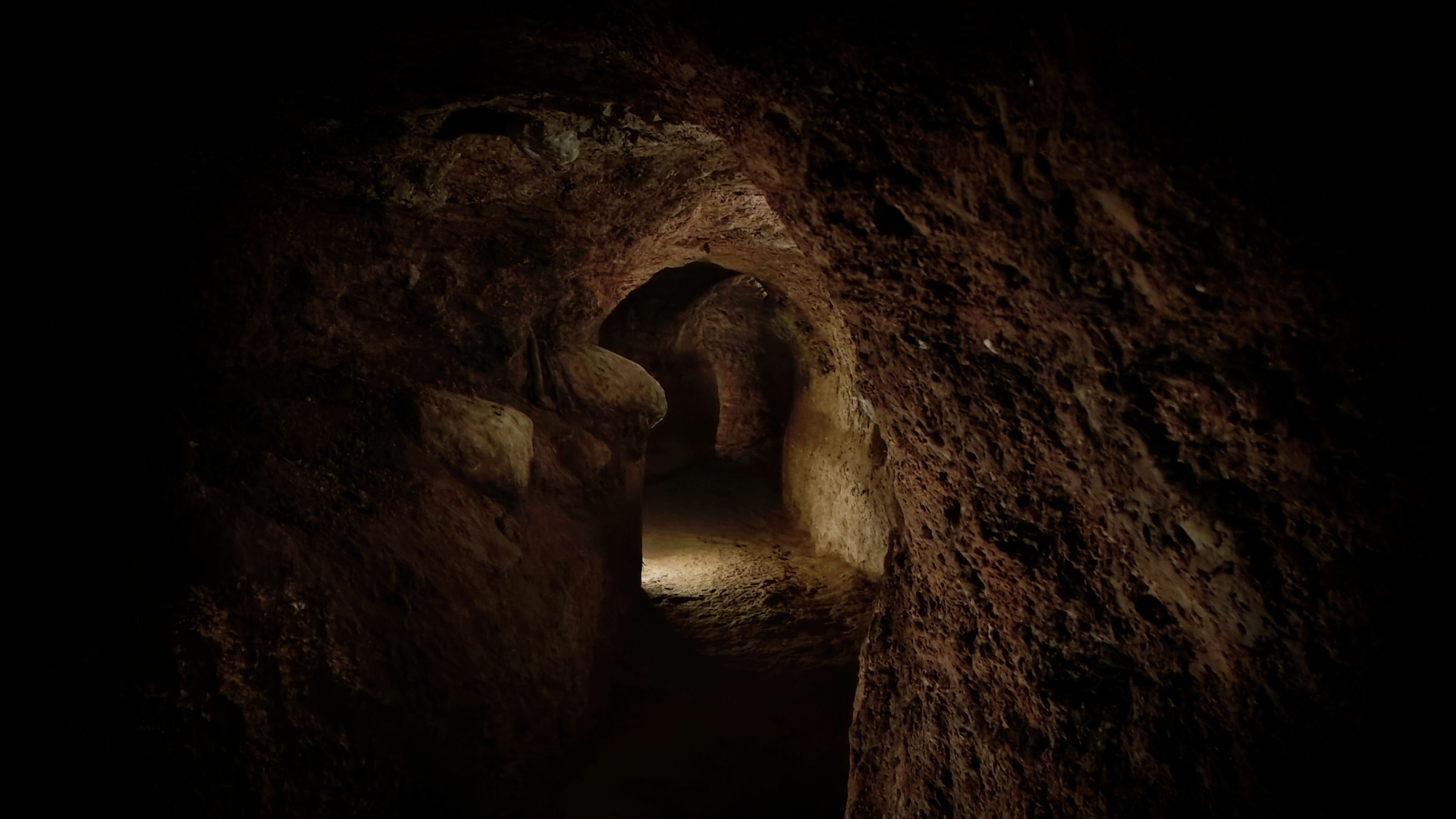
The underground homes of Kibosho carry centuries of Chagga history. Dug beneath the family compound, they served as refuge and living space — places where households sheltered, cooked, and kept their families safe.
They reflect a deep knowledge of excavation, ventilation, and living with the land — knowledge passed down through generations and still shared today by the families who care for these homes.
Architectural Marvel
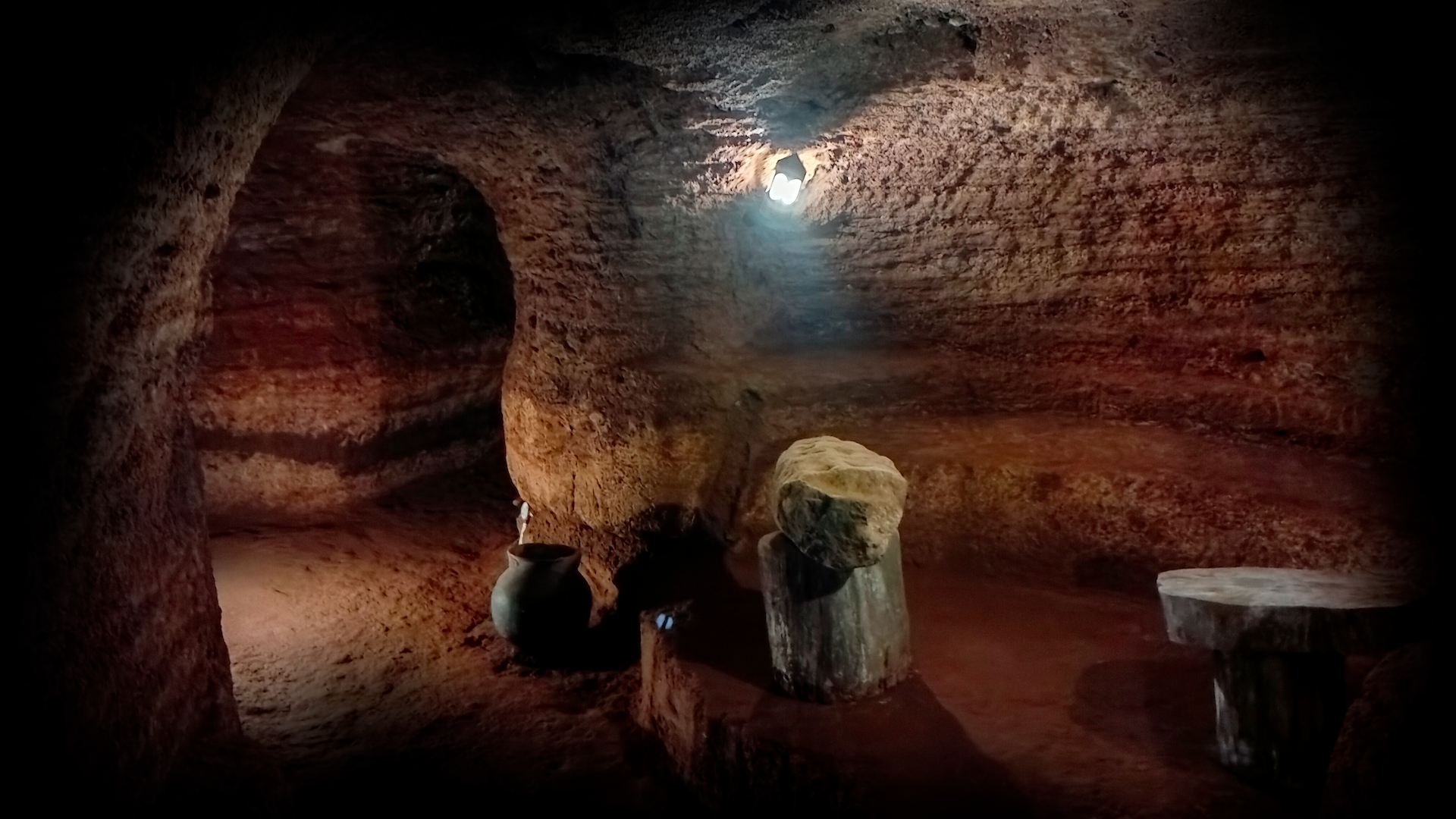
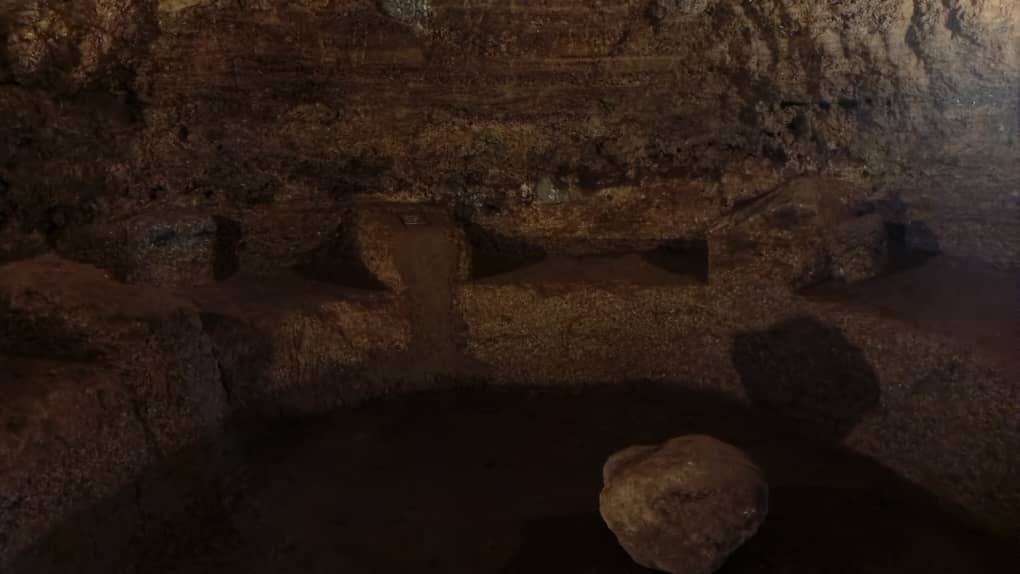
Each underground home is a testament to human innovation — a network of interconnected chambers for cooking, sleeping, storage, and gathering, shaped by hand in the volcanic soil of Kilimanjaro's slopes.
The homes were carved without modern tools, and their endurance is remarkable: generations later, many chambers remain intact and still hold their cool through the heat of the day.
Daily Life Underground
Life in these underground dwellings revolved around community and family bonds. Homes featured dedicated spaces for cooking, sleeping, and storing food, with livestock often kept in separate chambers.
The constant temperature underground provided relief from both heat and cold, while clever smoke outlets ensured comfortable living conditions. These homes were the center of cultural transmission, where stories and traditions were passed down through generations.
Inside the Household
Every tour walks you through the spaces of a real household. Here is what each one holds — and the question it helps answer.
The Descent
Your visit begins in the narrow passages carved into the hillside — low doorways and cool air that tell you straight away: this was built for protection, not display.
Why did families choose to live beneath the earth?
The Jiko
The hearth space, where the household cooked over an open fire. Guides explain how smoke was managed underground and what a family's day looked like gathered around it.
How did a household cook, eat, and stay warm below ground?
The Father & Boys' Room
The chamber where the father of the household slept together with his sons — the boys' side of the family's sleeping quarters below ground.
How did a family organise its private life underground?
The Mother & Girls' Room
A separate chamber where the mother slept with her daughters — the girls' side of the household, kept apart from the father and boys.
How were a family's sleeping quarters divided underground?
The Young Men's Room
A chamber for the young men of the household — boys who had passed through jando, the Chagga initiation — marking their new standing and responsibilities within the family.
What changed for a boy after jando?
The Ukumbi
The largest chamber — where the household gathered, received visitors, and made its decisions, joined by the elders and, on important occasions, the Mangi's representative. The heart of communal life below ground.
Where did the household deliberate, celebrate, and welcome guests?
Experience an Immersive Tour
Cultural Heritage
Leave a lasting impact on your journey by engaging directly with the Chagga households and elders who continue to preserve this precious heritage for the future.
Authentic Experience
Our guided tours are conducted by Chagga community members who share personal stories and ancestral knowledge passed down through generations.
Community Impact
Every tour directly benefits the local Chagga communities, providing sustainable income and resources to preserve their cultural heritage.
Frequently Asked Questions
Ready to Explore Underground?
Book a guided tour of the Eekanubi underground homes and witness the ingenuity of ancient African architecture.